When searching for free Minecraft server hosting in 2025, players quickly discover that “free” often comes with significant trade-offs—limited performance, intrusive ads, and minimal support. This guide explores the reality behind free hosting options, compares them with affordable premium alternatives powered by enterprise-grade hardware, and helps you make an informed decision for your Minecraft world.
Understanding the Reality of Free Minecraft Server Hosting
Free Minecraft server hosting sounds appealing, but it’s essential to understand what providers can realistically offer without charging. Most free services operate on extremely limited resources, often running outdated hardware that struggles with even 5-10 concurrent players. Server uptime typically ranges between 60-80%, meaning your world could disappear without warning during peak gaming hours.
These platforms usually restrict RAM to 512 MB–1 GB, which barely supports vanilla Minecraft, let alone modpacks or plugins. Storage is capped at 1-2 GB, forcing you to delete older worlds or limit builds. Network speeds are throttled, causing lag spikes and disconnections that frustrate your community. Additionally, free hosts monetize through aggressive advertising, injecting banners into control panels or even in-game messages, severely degrading the player experience.
Another critical limitation is support—free hosting services rarely offer technical assistance. When your server crashes or a world becomes corrupted, you’re often left to troubleshoot alone through outdated documentation or inactive community forums. This lack of professional support makes free hosting unsuitable for serious projects or growing communities.
Hidden Costs Behind “Free” Services
Free Minecraft server hosting providers must cover infrastructure costs somehow. Many collect and monetize user data, sell your information to third parties, or require participation in surveys and offer walls to maintain access. Some force mandatory downtimes for maintenance without notice, while others display intrusive pop-up ads that disrupt gameplay and administration tasks.
Security is another major concern. Free hosts often lack proper DDoS protection, making your server vulnerable to attacks that can take it offline for hours or days. Data backups are typically manual-only or nonexistent, risking permanent loss of your builds and progress. The terms of service frequently include clauses allowing providers to delete inactive servers after just 7-14 days, even if you’ve invested weeks into development.
Evaluating Free Hosting Platforms: What to Expect
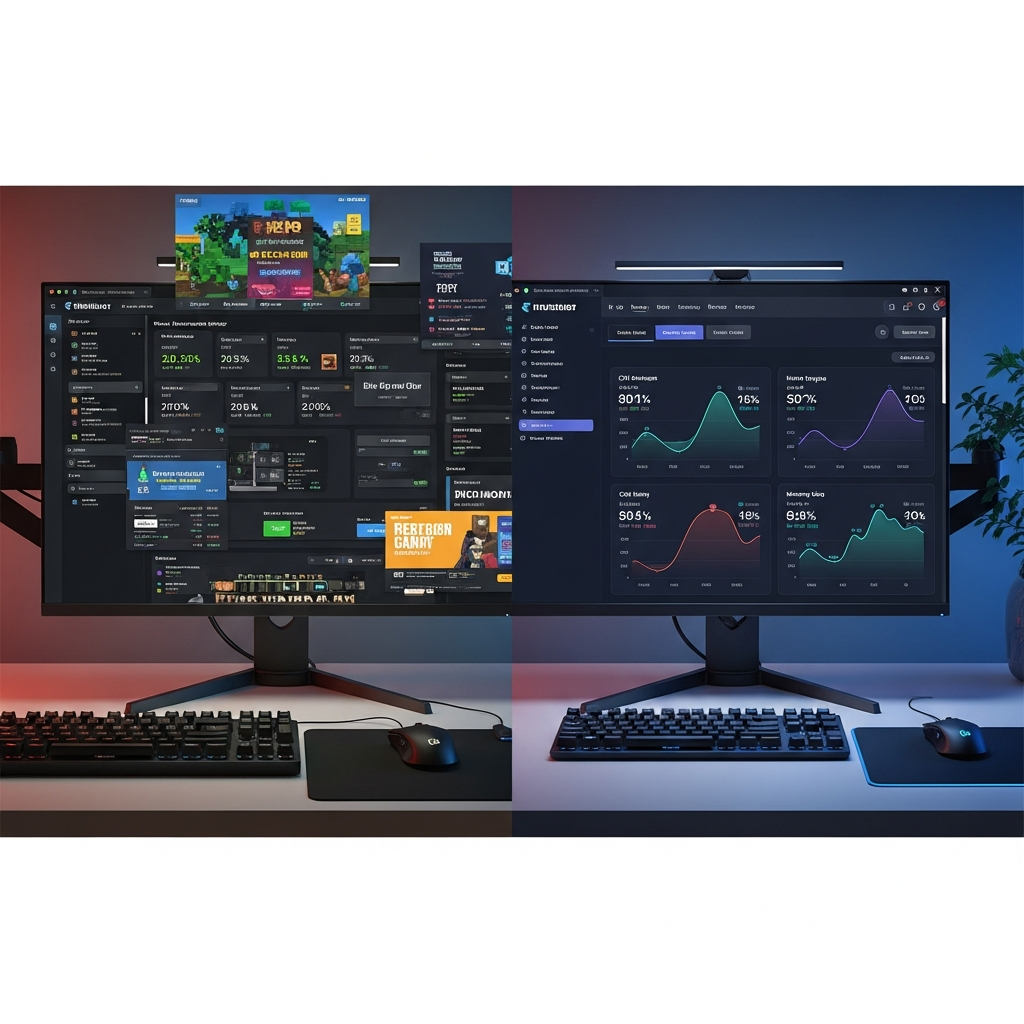
Several platforms offer free Minecraft server hosting with varying levels of service. Aternos is perhaps the most popular, providing unlimited runtime but requiring manual server starts through a queue system that can delay access by 5-20 minutes. The service limits RAM to 1-2 GB and prohibits commercial use, making it suitable only for small friend groups playing vanilla Minecraft.
Minehut offers a different model, hosting servers on shared infrastructure with up to 10 players on the free tier. While setup is instant, performance degrades significantly during peak hours when hundreds of servers compete for the same physical resources. Plugin support is limited to a pre-approved list, restricting customization options for advanced users.
Server.pro provides 1 GB RAM servers with 12-player slots but injects branding into your server MOTD (Message of the Day) and limits control panel access. The free tier doesn’t include automatic backups, and storage is capped at 2 GB, insufficient for texture packs or extensive world exploration.
Performance Benchmarks: Free vs. Affordable Premium
| Metric | Free Hosting | Nexus Games Entry Tier |
| CPU | Shared, throttled | AMD Ryzen 9 7950X3D (5 GHz) |
| RAM | 512 MB–1 GB | 4+ GB DDR5 ECC |
| Storage | 1-2 GB HDD | NVMe SSD (unlimited) |
| Network | 100 Mbps (throttled) | 1 Gbps (unmetered) |
| Uptime | 60-80% | 99.9% SLA |
| Support | None/community | 24/7 expert support |
| DDoS Protection | No | Game-optimized Anti-DDoS |
| Mod Support | None/limited | CurseForge integration, one-click install |
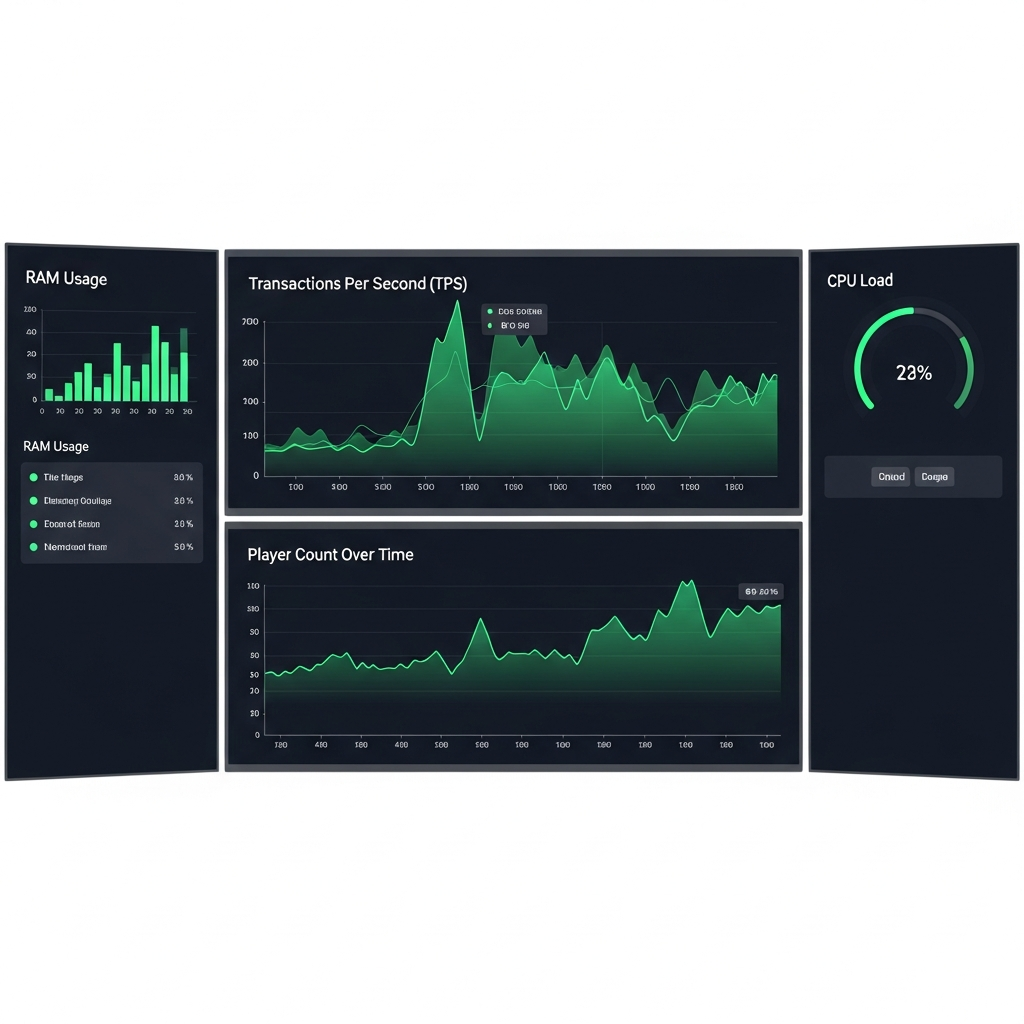
The performance gap becomes immediately apparent under load. Free hosting struggles to maintain 20 TPS (ticks per second) with just 5 players, while premium infrastructure powered by the AMD Ryzen 9 7950X3D maintains stable performance with 50+ concurrent players and dozens of active plugins. DDR5 ECC RAM eliminates memory-related crashes common on free platforms, while NVMe storage reduces world load times from 30-60 seconds to under 3 seconds.
When Free Hosting Makes Sense (and When It Doesn’t)
Free Minecraft server hosting can be appropriate for very specific use cases. If you’re testing a new plugin or mod configuration before deploying to a production server, a temporary free host allows experimentation without cost. Single-player worlds that occasionally need multiplayer access for 2-3 friends benefit from platforms like Aternos, where performance expectations remain minimal.
Educational projects in classroom settings sometimes use free hosting for short-term demonstrations, accepting the limitations as part of the learning experience. Developers testing custom plugins or datapacks can utilize free services for initial proof-of-concept work before migrating to proper infrastructure.
Critical Scenarios Requiring Premium Infrastructure
Any serious Minecraft project demands reliable, high-performance hosting. If you’re building a community server expecting more than 10 regular players, free hosting will fail during peak hours, driving away your audience. Modded Minecraft (FTB, All the Mods, Create, etc.) requires minimum 4-6 GB RAM and fast storage—specifications impossible on free platforms.
Servers running plugins like Dynmap, WorldEdit, or custom economy systems need processing power that shared free infrastructure cannot provide. Roleplay servers, minigame networks, and survival-multiplayer (SMP) communities require 99.9% uptime and instant technical support when issues arise—services exclusively available through professional hosts.
Content creators streaming Minecraft or producing YouTube videos need consistent performance and customization options. Free hosting’s branding requirements, limited mod support, and unpredictable downtimes create unacceptable risks for channels building audiences. The ability to install CurseForge modpacks with one-click through advanced control panels transforms setup from hours of frustration to minutes of configuration.
The Affordable Alternative: Professional Hosting Starting at $4.91/Month
The gap between free and premium hosting has narrowed dramatically in 2025. Professional Minecraft server hosting now starts at just $4.91 monthly—less than a coffee—while delivering enterprise-grade infrastructure that transforms gameplay. This entry tier includes dedicated AMD Ryzen 9 7950X3D processing power with 5 GHz boost clocks across 16 cores, ensuring smooth performance even with demanding plugins and dozens of players.
DDR5 ECC memory eliminates random crashes caused by memory corruption, while NVMe SSD storage provides instant world loading and backup operations. The Nexus Games control panel enables one-click installation of popular modpacks from CurseForge, automatic daily backups with version history, and real-time performance monitoring. Game-optimized DDoS protection shields your server from attacks that would instantly overwhelm free hosting, and 24/7 expert support resolves technical issues within minutes rather than leaving you stranded.
For growing communities, scalability becomes essential. Premium hosting allows instant RAM upgrades, additional storage expansion, and player slot increases through the control panel—adjustments impossible on free platforms with hard-coded limitations. When your 10-player friend group evolves into a 50-member community, professional infrastructure scales seamlessly without migration headaches.
Making the Right Choice for Your Minecraft Server
Choosing between free Minecraft server hosting and affordable premium options ultimately depends on your project’s scope and seriousness. For casual experimentation or very temporary needs with 2-3 friends, free hosting provides a no-commitment testing ground. However, any server intended to last more than a few weeks, support more than 5 concurrent players, or run mods and plugins requires the reliability and performance only professional infrastructure delivers.
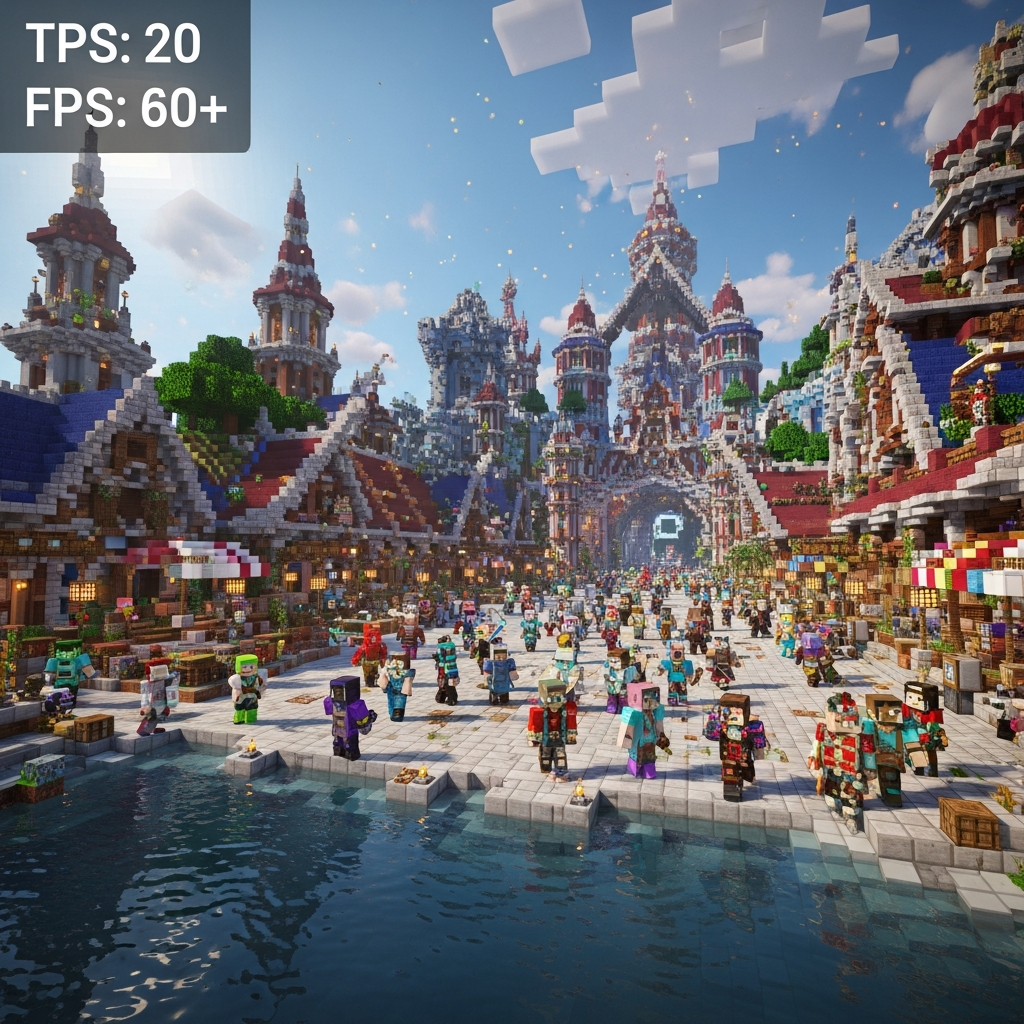
The investment of $4.91 monthly unlocks features that make server administration enjoyable rather than frustrating—instant startups instead of queue waits, stable 20 TPS instead of lag spikes, professional support instead of abandoned forum posts. Your community deserves infrastructure that respects their time and enhances their experience, making premium hosting not an expense but an essential foundation for successful Minecraft projects.
Conclusion: While free Minecraft server hosting exists, it serves only the most basic, temporary needs. For any serious project, community server, or modded experience, professional hosting starting at $4.91 monthly provides transformative performance through AMD Ryzen 9 7950X3D processors, DDR5 ECC RAM, NVMe storage, and 24/7 support. The difference between a struggling free server and thriving premium infrastructure is merely a few dollars—a small price for gameplay quality that keeps your community engaged and growing.
FAQ
Can free Minecraft server hosting support modpacks like All the Mods or FTB?
No, free hosting platforms lack the RAM (typically offering only 512 MB–1 GB) and processing power required for modpacks, which need minimum 4-6 GB RAM and fast CPUs. Attempting to run modpacks on free hosting results in constant crashes and unplayable performance. Premium hosting with AMD Ryzen 9 7950X3D processors and DDR5 RAM handles even heavy modpacks smoothly, with one-click CurseForge installation through the control panel.
What happens to my world data if a free hosting provider shuts down?
Most free hosting services do not provide downloadable backups or advance shutdown warnings. If the provider closes or deletes inactive servers (typically after 7-14 days), your world data is permanently lost. Professional hosting includes automatic daily backups with version history, manual backup triggers, and exportable world files, ensuring your builds remain safe regardless of circumstances.
How does server performance affect player retention on Minecraft servers?
Studies show that servers experiencing lag spikes above 100ms or frequent disconnections lose 60-80% of new players within their first session. Consistent 20 TPS performance, instant chunk loading from NVMe storage, and 99.9% uptime create positive first impressions that convert visitors into regular community members. Free hosting’s unreliable performance actively damages server reputation and growth potential.