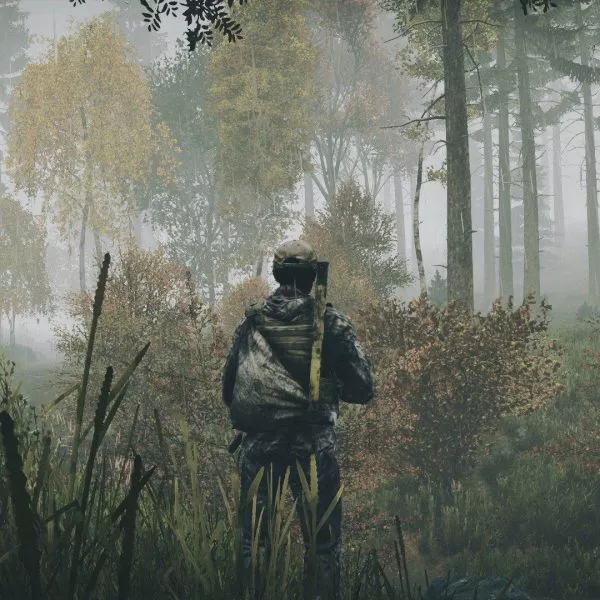
Understanding DayZ vs DayZ Experimental: What’s the difference? Guide 2025 is essential for both players and server administrators who want to navigate Bohemia Interactive’s dual-branch approach. DayZ offers two distinct versions running in parallel—the stable main branch and the Experimental branch—each serving different purposes in the game’s development cycle. Whether you’re choosing which version to play, deciding which branch to host your server on, or simply curious about how updates reach the game, this comprehensive guide breaks down everything you need to know about the differences, benefits, and considerations of each branch.
What Are DayZ Stable and DayZ Experimental?
DayZ Stable represents the official, production-ready version of the game that the majority of players experience. This branch undergoes rigorous testing and receives updates only after features have been validated through the Experimental phase. When you launch DayZ through Steam without selecting any beta branches, you’re playing on Stable. This version prioritizes reliability, performance optimization, and a relatively bug-free experience suitable for long-term gameplay and serious server communities.
DayZ Experimental, on the other hand, serves as the public testing ground for upcoming features, mechanics, and patches before they reach the Stable branch. This version receives frequent updates—sometimes multiple times per week—containing new content, experimental changes, and fixes that require real-world testing with a broader player base. The Experimental branch is inherently less stable and may contain game-breaking bugs, performance issues, or incomplete features that are still being refined.
The relationship between these branches forms a critical part of Bohemia Interactive’s development pipeline. Features are first introduced to Experimental where they undergo community testing and feedback collection. Once developers are satisfied with stability and functionality, these updates are promoted to the Stable branch, typically following a defined testing period. This two-tier approach allows the development team to catch issues before they impact the main player base while giving dedicated community members early access to upcoming content.
Key Differences at a Glance
| Aspect | DayZ Stable | DayZ Experimental |
| Update Frequency | Monthly or bi-monthly major patches | Multiple updates per week |
| Stability | High—thoroughly tested | Variable—expect bugs and crashes |
| Player Population | Large, consistent community | Smaller, dedicated testers |
| Server Compatibility | Cannot connect to Experimental servers | Cannot connect to Stable servers |
| Content | Fully released features only | Unreleased features, work-in-progress mechanics |
| Character Progression | Persistent across Stable servers | Separate progression; frequent wipes |
| Best For | Regular gameplay, competitive servers | Testing, previewing updates, bug reporting |
DayZ vs DayZ Experimental: When to Choose Each Branch
Deciding between Stable and Experimental depends entirely on your goals as a player or server administrator. For the vast majority of users seeking a consistent, reliable survival experience, DayZ Stable is the obvious choice. If you’re running a community server where players invest significant time building bases, accumulating gear, and establishing territories, Stable provides the predictability necessary for long-term engagement. Server owners hosting through providers like Nexus Games DayZ hosting typically operate on Stable to ensure maximum uptime, compatibility with popular mods, and a stable player experience.
However, DayZ Experimental offers unique advantages for specific use cases. Content creators, YouTubers, and streamers often run Experimental clients to showcase upcoming features before they reach the wider audience, generating early coverage and excitement. Server administrators considering major gameplay changes or new features can test these updates in Experimental environments before committing to production servers. Additionally, players who enjoy being at the forefront of development and contributing to the game’s improvement through bug reports find Experimental rewarding despite its instability.
Player Perspective: Which Branch Should You Play?
For casual and competitive players alike, Stable remains the recommended choice. Your character progression persists across sessions, servers maintain consistent rule sets and mod configurations, and you can expect a polished experience with minimal disruptions. The larger player population on Stable also means more active servers across various playstyles—from vanilla hardcore survival to heavily modded PvP arenas.
Choose Experimental if you meet one or more of these criteria:
- You want early access to upcoming features and content before official release
- You’re willing to tolerate bugs, crashes, and potential character wipes for the sake of testing
- You actively participate in the DayZ community by reporting issues through official feedback channels
- You create content and want to provide your audience with previews of future updates
- You’re testing specific mechanics or changes that may impact your Stable server’s configuration
Server Administrator Considerations
Running a DayZ server on either branch requires different approaches. Stable servers benefit from extensive mod compatibility, as most popular mods target the Stable branch first. Players expect Stable servers to maintain consistent configurations with minimal downtime, making this branch ideal for established communities. Hosting infrastructure from Nexus Games provides the reliability needed for Stable servers, with hardware featuring AMD Ryzen 9 7950X3D processors (16 cores, 32 threads), DDR5 ECC RAM, and NVMe SSD storage ensuring optimal performance even during high player counts.
Experimental servers serve niche purposes—primarily for testing upcoming features in controlled environments or offering dedicated communities early access to new content. These servers require more frequent updates and maintenance, as patches can drop multiple times weekly. Administrators must communicate clearly with their player base about potential wipes, bugs, and instability inherent to the Experimental branch. The smaller Experimental player pool also means lower average population, which may not justify resource allocation for commercial or large-scale community servers.
Technical Requirements Comparison
Both branches share similar baseline hardware requirements, but Experimental builds may introduce temporarily higher demands when testing performance-intensive features. A typical DayZ server for 60 players performs optimally with:
- CPU: AMD Ryzen 9 7950X3D or equivalent—DayZ is CPU-intensive and benefits from high single-thread performance
- RAM: 16-32 GB DDR5 ECC for Stable; consider 32-64 GB for Experimental with extensive mods
- Storage: NVMe SSD for fast world loading and reduced lag during player movement across the map
- Network: 1 Gbps bandwidth minimum to handle player connections and data synchronization
These specifications align with what Windows VPS hosting solutions from Nexus Games provide, ensuring your server infrastructure can handle both branches effectively depending on your hosting strategy.
How Updates Flow From Experimental to Stable
The DayZ vs DayZ Experimental development pipeline follows a structured process designed to catch issues before they impact the wider player base. Understanding this workflow helps server administrators plan maintenance windows and gives players insight into when to expect new content on their preferred branch.
The Update Lifecycle
New features, mechanics, or significant changes begin their journey in internal development builds not accessible to the public. Once developers reach a testable state, these updates deploy to the Experimental branch. This initial Experimental release often contains rough edges, incomplete implementations, or known issues that require real-world testing at scale—something internal QA teams cannot fully replicate given DayZ’s complex player interactions and server dynamics.
During the Experimental phase, which typically lasts one to four weeks depending on the update’s scope, developers collect data through multiple channels:
- Crash reports: Automatic submission of client and server crashes with diagnostic information
- Community feedback: Players report bugs through official forums, Reddit, and the DayZ Feedback Tracker
- Telemetry data: Anonymous performance metrics and gameplay statistics help identify problematic mechanics
- Stress testing: High-population Experimental servers reveal issues that only manifest under load
Based on this feedback, developers release iterative patches to Experimental, sometimes multiple times per week. Each iteration addresses reported issues, refines features, and optimizes performance. Once an update demonstrates sufficient stability in the Experimental environment—measured by reduced crash rates, resolved critical bugs, and positive community feedback—it advances to the Stable branch promotion candidate stage.
Before Stable release, a final review ensures no game-breaking issues remain and that the update meets quality standards for the production environment. The Stable branch then receives the update, typically accompanied by official patch notes, hotfixes for any last-minute discoveries, and a brief maintenance window for server operators to update their instances.
Example: Major Update Deployment Timeline
Consider a hypothetical major update introducing a new weapon system:
- Week 1: Initial deployment to Experimental with basic functionality; community discovers balancing issues and animation bugs
- Week 2: Three rapid patches address reported issues; developers adjust damage values and fix reload animations
- Week 3: Further refinements based on continued feedback; stress testing on popular Experimental servers
- Week 4: Final Experimental patch implements polish and minor optimizations; no critical issues reported for 5+ days
- Week 5: Update promoted to Stable branch with comprehensive patch notes; server administrators notified in advance
This timeline illustrates why patience is essential when awaiting Stable updates. Features appearing in Experimental may take a month or longer to reach Stable, depending on the complexity and issues encountered during testing.
Managing Both Branches as a Server Administrator
Some hosting strategies involve maintaining parallel servers on both branches. This approach allows communities to experience upcoming content without disrupting their main Stable server while providing valuable feedback to developers. Running dual-branch configurations requires additional resources but offers strategic advantages:
- Preview upcoming changes and prepare community for feature launches
- Test custom mod compatibility with Experimental updates before they hit Stable
- Engage dedicated community members who want early access to content
- Identify potential issues that might impact your Stable server configuration
When implementing dual-branch hosting, use separate server instances with isolated databases to prevent any potential conflicts. The Nexus Games panel simplifies managing multiple server instances, allowing administrators to easily switch between configurations, schedule updates, and monitor performance across both Stable and Experimental deployments.
Switching Between Stable and Experimental
Players and server administrators occasionally need to switch between branches, whether to test new features or return to stable gameplay. The process differs slightly depending on whether you’re switching your client or managing server software.
Switching Client Versions via Steam
DayZ uses Steam’s beta branch system to manage access to Experimental. Here’s how to switch your client:
- Open your Steam library and right-click on DayZ
- Select Properties from the context menu
- Navigate to the Betas tab
- In the dropdown menu, select experimental to switch to Experimental, or None to return to Stable
- Steam will automatically download the necessary files—Experimental typically requires a 5-15 GB download depending on recent changes
- Launch the game once the download completes; you’ll now connect only to servers on your selected branch
Remember that switching branches means you cannot access servers from the other branch. Your characters, progression, and inventory are completely separate between Stable and Experimental—gear earned on one branch does not transfer to the other.
Switching Server Branches
Server administrators switching branches must update their server software to match the target branch. This process involves downloading the appropriate server files and adjusting launch parameters. When hosting through platforms with managed panels, like those provided by Nexus Games, the process simplifies significantly:
# For manual server installations, use SteamCMD to switch branches:
steamcmd +login anonymous +force_install_dir /path/to/server +app_update 223350 -beta experimental validate +quit

# Return to Stable by omitting the -beta parameter:
steamcmd +login anonymous +force_install_dir /path/to/server +app_update 223350 validate +quit
Managed hosting solutions automate much of this process, allowing administrators to select their desired branch through a control panel interface without manually executing SteamCMD commands. This convenience is particularly valuable for community servers that may need to switch branches temporarily for testing before returning to Stable operation.
Important Considerations When Switching
- Mod compatibility: Many popular mods target only the Stable branch; switching to Experimental may break mod functionality until developers update their content
- Player notification: Clearly communicate branch changes to your community to avoid confusion when players cannot connect
- Backup persistence: Always backup your server’s database before switching branches; Experimental updates may introduce persistence format changes incompatible with Stable
- Update frequency: Experimental requires more frequent updates; ensure your hosting solution supports rapid deployment of patches
For server administrators seeking reliable performance across both branches, infrastructure matters significantly. Nexus Games provides dedicated game server hosting with NVMe SSD storage ensuring rapid update deployment, DDR5 ECC memory preventing data corruption during frequent patches, and AMD Ryzen 9 7950X3D processors delivering the single-thread performance DayZ servers demand.
Performance, Stability, and Community Differences
Beyond the obvious update frequency differences, DayZ vs DayZ Experimental manifests distinct characteristics in performance profiles, stability metrics, and player community composition that influence the experience on each branch.
Performance and Optimization
Stable builds undergo extensive optimization before release, with developers profiling performance bottlenecks and addressing frame rate issues discovered during Experimental testing. Players on Stable generally experience more consistent frame rates, fewer memory leaks, and better server tick rates—critical factors in a game where split-second reactions determine survival in PvP encounters.
Experimental performance varies wildly depending on what’s being tested. New rendering techniques, physics changes, or AI improvements may temporarily degrade performance while developers gather data and optimize code. Players with high-end systems typically weather these fluctuations better, but even powerful rigs can struggle with particularly intensive Experimental builds. This unpredictability makes Experimental unsuitable for competitive gameplay but acceptable for casual testing sessions.
Stability and Crash Rates
Stable lives up to its name with significantly lower crash rates. According to community-tracked data from various sources including r/dayz on Reddit, Stable clients and servers achieve 95%+ uptime under normal conditions, with crashes typically resulting from external factors like mod conflicts rather than base game issues.
Experimental crashes are not only more frequent but often more severe. Players might experience complete client freezes, server disconnects during critical moments, or database corruption requiring character wipes. These issues are expected and tolerated by the Experimental community because they serve the broader purpose of identifying problems before Stable release. Server administrators running Experimental must implement more aggressive backup schedules and prepare for emergency restarts.
Community Composition and Server Culture
The Stable community represents DayZ’s mainstream player base—casual survivors, hardcore role-players, PvP enthusiasts, and everything in between. Stable servers span the entire spectrum from vanilla hardcore experiences to heavily modded servers with custom traders, bases, and vehicles. The larger population supports diverse playstyles and ensures that servers remain active across different time zones.
Experimental attracts a more specialized demographic: veteran players intimately familiar with DayZ mechanics, content creators seeking early access, and community members passionate about contributing to development. The smaller Experimental population fosters tighter-knit communities where players often recognize regulars and cooperation is more common than on Stable’s anonymous large-scale servers. However, this smaller pool also means finding active servers can be challenging, particularly outside peak hours.
Mod Ecosystem Differences
The modding community overwhelmingly targets Stable, as maintaining compatibility with Experimental’s rapidly changing codebase is impractical for most developers. Popular mods like expansion projects, custom zombie types, and economy overhauls receive regular updates for Stable but may not function at all on Experimental until that update cycle promotes to Stable.
This disparity means Experimental servers typically run vanilla or with minimal lightweight mods that can accommodate frequent updates. Players seeking heavily modded experiences must stay on Stable, while those interested in testing base game mechanics find Experimental’s vanilla focus appropriate for that purpose.
Conclusion: Understanding DayZ vs DayZ Experimental: What’s the difference? Guide 2025 empowers you to make informed decisions about which branch suits your needs. Stable offers polished, reliable gameplay for serious communities and long-term progression, while Experimental provides early access to features at the cost of stability. For server administrators, choosing the right branch and hosting infrastructure like Nexus Games’ AMD Ryzen 9 7950X3D-powered solutions ensures optimal performance regardless of which development path you follow.
FAQ
Can I transfer my character and gear between DayZ Stable and Experimental?
No, character progression, inventory, and base ownership are completely separate between Stable and Experimental branches. Each branch maintains independent databases, and items earned on one branch do not transfer to the other. This separation is intentional to prevent Experimental instability and frequent wipes from affecting Stable progression.
How often does DayZ Experimental receive updates compared to Stable?
DayZ Experimental typically receives multiple updates per week during active development cycles, sometimes as frequently as daily for critical bug fixes. In contrast, Stable receives major updates monthly or bi-monthly after features have completed their Experimental testing phase. This difference in update frequency reflects each branch’s distinct role—Experimental serves as the testing ground while Stable prioritizes consistency.
Should I run my community DayZ server on Experimental or Stable?
For established community servers where players invest significant time, Stable is strongly recommended due to its reliability, mod compatibility, and larger player population. Consider running an Experimental server only as a secondary testing environment alongside your main Stable server, allowing dedicated community members to preview upcoming features without disrupting your primary server’s stability and progression.